

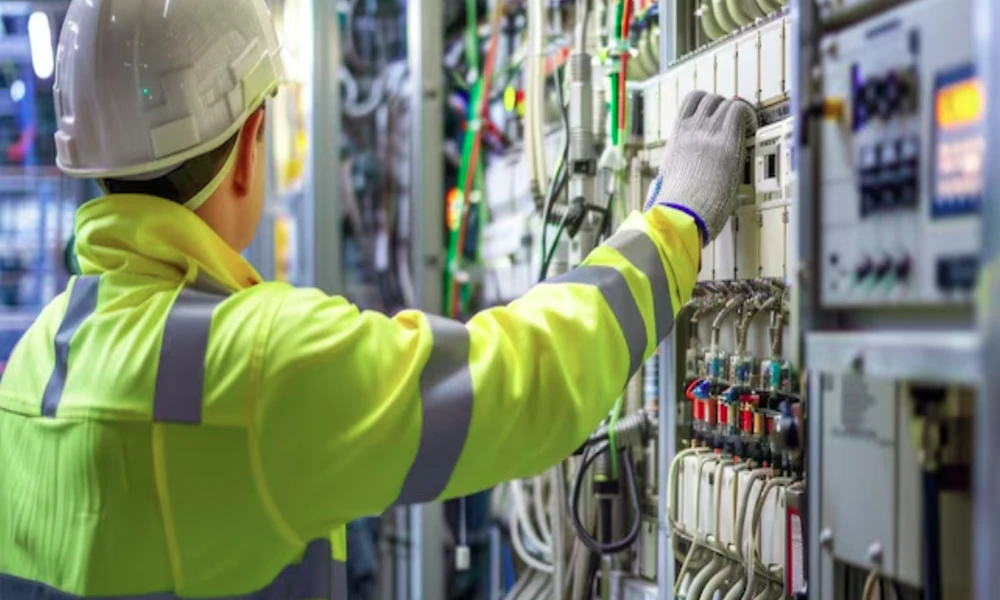
Managing a commercial property involves overseeing numerous intricate systems, but few are as critical or potentially hazardous as electricity. Electrical malfunctions can bring daily operations to a sudden halt, damage expensive office equipment, and pose severe safety risks to employees and visitors.
Business owners must remain vigilant, recognize early warning signs of trouble, and know how to respond appropriately. Implementing proactive safety measures protects your investment and ensures a secure, uninterrupted working environment for everyone inside the building.
Proactive Strategies Through Routine Electrical Service and Maintenance
Waiting for a total power failure before addressing infrastructure issues is a costly mistake that disrupts business continuity. Investing in scheduled electrical service and maintenance allows certified technicians to inspect wiring, test circuit breakers, and identify worn-out components before they fail.
Routine checkups help prevent unexpected outages, reduce the risk of electrical fires, and extend the lifespan of your building’s entire power distribution network.
Leveraging Expertise From Professional Commercial Electrical Services
Commercial electrical systems are significantly more complex than residential setups, handling higher voltages and heavy-duty machinery. Handling complex repairs requires specialized knowledge and advanced diagnostic tools that only licensed professionals possess.
Partnering with reputable providers specializing in commercial electrical services ensures that all installations, upgrades, and troubleshooting procedures comply strictly with local safety codes and industry regulations.
Recognizing Common Warning Signs of Hidden Electrical Issues
Catching electrical problems early can prevent catastrophic failures and expensive emergency repairs later on.
Business owners and facility managers should train staff to report warning signs immediately, such as flickering lights, frequently tripped circuit breakers, burning smells near outlets, or buzzing sounds from switchboards.
Ignoring these subtle red flags often leads to severe electrical shorts, damaged appliances, or dangerous workplace hazards.
Upgrading Outdated Wiring and Overloaded Distribution Panels
Older commercial properties often feature aging wiring and outdated electrical panels that struggle to keep up with modern power demands. Running numerous computers, servers, and heavy equipment on obsolete infrastructure causes dangerous overheating and constant power disruptions.
Upgrading your electrical distribution panels and replacing outdated aluminum wiring with modern copper alternatives ensures safe power delivery and accommodates future business growth.
Implementing Surge Protection for Sensitive Office Equipment
Power surges caused by severe weather, grid fluctuations, or heavy machinery startup can instantly fry expensive computers, servers, and telecommunication systems. Installing whole-building surge protection systems safeguards your critical hardware against sudden voltage spikes.
Protecting your technology infrastructure prevents data loss, avoids costly equipment replacements, and maintains seamless daily operational productivity across all departments.
Establishing Emergency Protocols and Safety Training for Staff
When an electrical emergency strikes, every second counts in preventing injuries and minimizing property damage. Business owners must establish clear emergency protocols, including the exact location and operation of main circuit breaker shutoffs.
Conducting regular safety drills and educating employees on basic electrical safety ensures that your team can respond calmly, evacuate safely, and contact emergency responders without hesitation when a crisis occurs.
Having a designated emergency response team on site further guarantees that critical safety actions are coordinated swiftly and effectively.
