

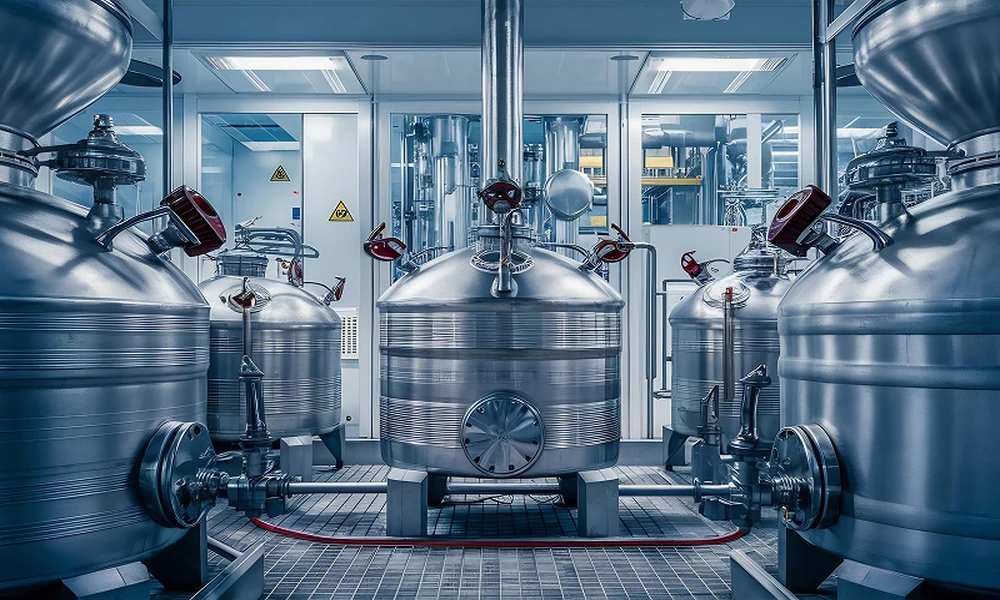
Manufacturing processes depend on consistent fluid delivery to maintain product quality, minimise waste, and keep production running efficiently. From adhesives and sealants to lubricants, coatings, and chemicals, many industrial applications rely on a pressure tank to supply fluid at a controlled rate. The way that tank works with dispensing valves can have a significant impact on accuracy, cycle time, and material usage.
Selecting the right equipment involves more than matching a tank size to a production line. Engineers need to consider pressure stability, material properties, valve performance, and maintenance requirements before making a decision. A well-planned dispensing setup supports reliable operation across repeated production cycles and reduces unnecessary interruptions.
1. Match Pressure Capacity to Your Material Requirements
The first decision begins with understanding the fluid being dispensed. Materials vary greatly in viscosity, density, and flow characteristics, which directly influence the required operating pressure.
A pressure tank supplying low-viscosity liquids may need relatively modest pressure settings, while thicker adhesives or pastes require greater force to maintain a consistent flow. Applying too much pressure can create excessive flow, splashing, or inaccurate deposits. Too little pressure may cause inconsistent dispensing or interruptions during production.
Process engineers should evaluate:
- Material viscosity across operating temperatures.
- Required dispensing volume per cycle.
- Maximum operating pressure recommended for the material.
- Expected production speed.
Pressure stability remains just as important as maximum pressure. Consistent pressure helps maintain uniform dispensing volumes throughout the production run.
2. Choose Dispensing Valves That Suit the Application
Different manufacturing processes require different valve designs. The right dispensing valves help control fluid release with greater precision while reducing drips, stringing, or over-application.
Some valves perform well with thin liquids, while others are designed for highly viscous compounds or abrasive materials. Valve selection should align with application speed, deposit size, and material behaviour.
| Production Requirement | Valve Consideration |
| Fine, accurate deposits | Precision dispensing valves designed for controlled shot sizes. |
| Continuous bead application | Valves capable of maintaining uninterrupted fluid flow. |
| High-viscosity materials | Valves engineered for thicker fluids and higher operating pressures. |
| Fast production cycles | High-speed dispensing valves with rapid opening and closing response. |
| Abrasive or filled materials | Durable valve components designed to withstand material wear. |
Selecting the correct valve design improves repeatability and helps reduce material waste.
3. Consider Tank Size and Production Volume Together
A larger pressure tank is not automatically the better choice. Tank capacity should match production volume, refill frequency, available floor space, and material shelf life.
Large tanks reduce refill interruptions during long production runs, though they may require longer cleaning times when changing materials. Smaller tanks simplify material changes and cleaning, making them suitable for shorter production batches.
Engineers should consider production scheduling alongside equipment sizing. A dispensing system handling frequent product changes benefits from a different tank strategy than one dedicated to a single material.
Questions worth asking include:
- How many dispensing cycles occur between refills?
- How frequently does the production line change materials?
- How much downtime is acceptable for cleaning and maintenance?
Balancing these factors helps maintain production efficiency without creating unnecessary maintenance work.
4. Prioritise Pressure Regulation and Flow Consistency
Maintaining consistent dispensing depends on more than the tank itself. Pressure regulators, air supply quality, and system calibration all contribute to stable fluid delivery.
Even small pressure fluctuations can affect dispensing accuracy, particularly during automated manufacturing processes where deposit size must remain consistent across thousands of cycles.
Reliable systems typically include regulated air pressure, appropriate fluid lines, compatible connectors, and correctly calibrated dispensing valves.
Regular monitoring helps identify changes before they affect production quality. Engineers should periodically verify pressure settings, inspect hoses for wear, and confirm valve response times remain within operational requirements.
A stable pressure environment improves repeatability and reduces variation across production batches.
5. Plan for Maintenance Before Installation
Maintenance planning should influence equipment selection from the beginning. Cleaning procedures, replacement components, and inspection access all affect long-term operational efficiency.
A pressure tank handling reactive materials may require more frequent cleaning than one dispensing lubricants or low-residue fluids. Likewise, dispensing valves exposed to curing materials require regular inspection to prevent blockages.
Maintenance planning should include:
- Cleaning intervals based on material type.
- Seal and gasket inspection schedules.
- Valve component replacement procedures.
- Safe depressurisation before servicing.
Equipment designed for easier maintenance reduces production downtime and helps maintain dispensing accuracy over time.
Before Finalising Your Dispensing Setup
Choosing a pressure tank involves understanding how it will interact with production speed, material characteristics, maintenance routines, and the selected dispensing valves. Each decision influences dispensing consistency, equipment reliability, and operational efficiency throughout the production process.
A careful evaluation of pressure control, valve compatibility, tank capacity, and maintenance access creates a dispensing system better suited to long-term manufacturing requirements instead of short-term operational needs.
Contact Unicontrols to discuss pressure tank configurations and compatible dispensing valves for your fluid dispensing application and production requirements.
