

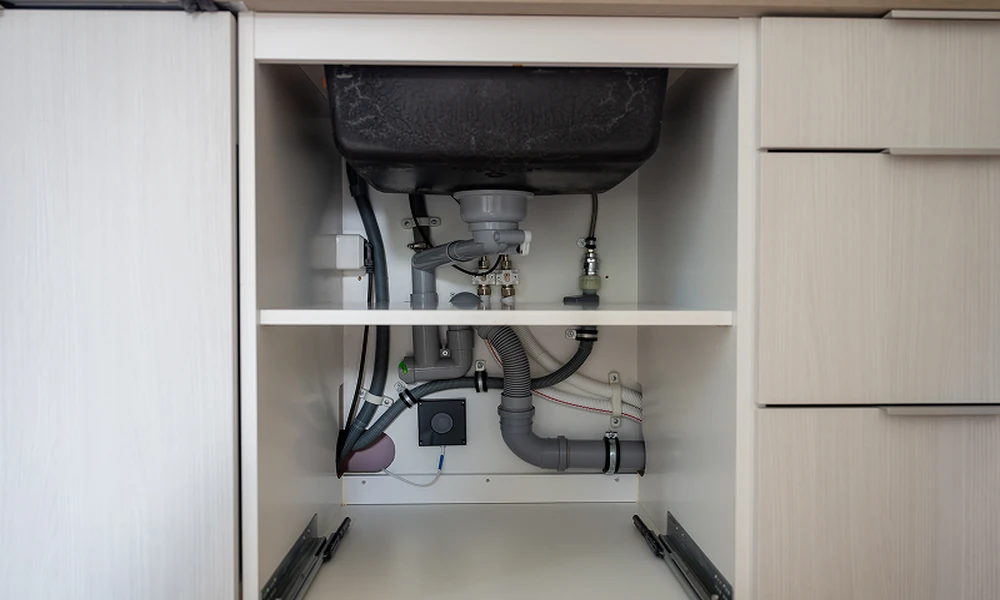
An undersink water filter provides clean drinking water directly from a dedicated tap. Monitoring its condition ensures that the system removes impurities efficiently and remains safe for daily consumption.
Ensuring your undersink water filter in Singapore functions correctly requires checking physical components and water output quality regularly.
Consistent Water Flow From the Filtered Tap
A steady water supply indicates that internal media remains unblocked. When media captures physical particles, the internal pathways gradually narrow, resulting in lower pressure at the faucet.
- Normal operation: Water flows smoothly at the rate specified by the equipment manufacturer.
- Clogged media: Flow slows down significantly to a thin trickle or uneven stream.
- Air pockets: Brief sputtering after recent maintenance, which usually settles quickly.
Maintaining proper pressure confirms that water passes through the filtration channels without blockage. Next, assessing the physical properties of the water offers deeper insight into purification quality.
Normal Taste and Odour in Filtered Water
Clean filtered water should be free from harsh chemical smells and unusual flavours. Activated carbon components typically absorb municipal disinfectants like chlorine.
| Water Attribute | Expected Condition | Sign of System Failure |
| Odour | Neutral, odorless | Chlorine, metallic, or earthy smell |
| Taste | Refreshing, clean profile | Bitter, sour, or metallic flavor |
| Clarity | Completely clear | Murky, discolored, or cloudy appearance |
If drinking water exhibits strange flavours, the active media has likely reached full saturation. Checking for external structural issues is another key step.
No Visible Leaks Around the Filtration System
The housing, tubing, and connecting valves under the sink must stay completely dry during operation. Water droplets or puddles suggest seal failure or fitting loose points.
- Inspect tubing connections to verify line lock fittings are firm.
- Examine filter housing sumps for tiny cracks or moisture along seams.
- Inspect the dedicated faucet base for slow drips beneath the cabinet.
A dry cabinet floor verifies that water moves solely through intended internal chambers without bypassing filtration stages. Beyond leak checks, tracking overall usage duration is essential.
The Filter Cartridge Is Within Its Recommended Service Life
Every filter unit features an operational lifespan dictated by usage volume or months installed. Using cartridges past their intended duration reduces contaminant removal capabilities.
Installing an undersink water filter in Singapore requires adherence to local servicing intervals, as municipal tap water conditions and household consumption dictate lifespan.
- Sediment filters: Replace every 6 to 9 months.
- Activated carbon blocks: Replace every 6 to 12 months.
- Reverse osmosis membranes: Replace every 12 to 24 months.
Replacing cartridges within standard lifespans keeps filtration efficiency high. Physical condition checks complement time-based replacements.
The Filtration System Shows No Physical Signs of Damage
Physical components degrade over time due to water pressure fluctuations or wear. Cracks or structural flaws can cause untreated water to bypass internal stages.
- Check external plastic sumps for stress fractures or bulging.
- Look for corrosion on metal brackets, bypass valves, and brass connectors.
- Verify that rubber O-rings remain flexible and free from dry rot.
Intact physical parts ensure water flows strictly through purification channels. Verifying output against manufacturer standards confirms performance.
The Filter Meets Its Stated Performance Specifications
Evaluating performance against manufacturer guidelines confirms that the system extracts target impurities. Simple testing kits provide clear verification at home.
- Test strips: Use chemical test strips to verify chlorine removal efficiency.
- TDS meters: Measure total dissolved solids for reverse osmosis systems.
- Visual inspection: Check filtered water in clear glass against a white background for suspended debris.
Regular testing proves the unit purifies water effectively. Maintaining a functional undersink water filter ensures ongoing access to high-quality drinking water.
Frequently Asked Questions
How often should an undersink water filter cartridge be replaced?
Most cartridges require replacement every 6 to 12 months, depending on water consumption and manufacturer guidelines.
Why does filtered water suddenly taste strange?
An unusual taste indicates that internal carbon media is saturated and can no longer capture organic compounds or chlorine.
Does low water pressure mean the filter needs changing?
Yes, reduced pressure typically occurs when trapped particles clog internal pores, restricting flow through the system.
Can I clean an old cartridge instead of buying a new one?
Most disposable undersink cartridges cannot be cleaned effectively and must be replaced to ensure safe water quality.
Visit Ansac Technology to access clean drinking water today.