

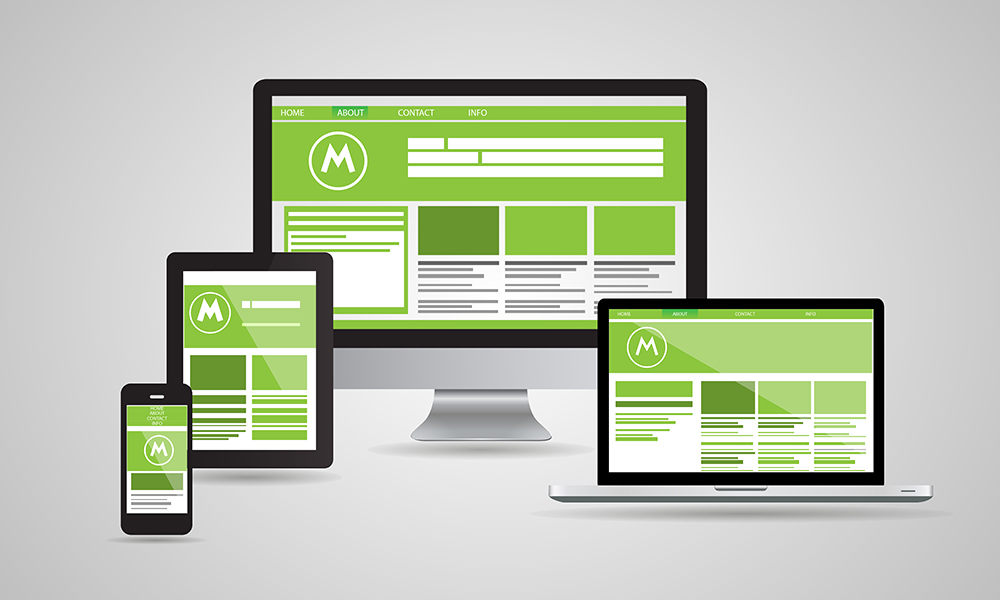
Austin is renowned for its thriving tech scene, and web design in this vibrant city is no exception. As businesses seek to stand out in an increasingly crowded digital landscape, innovative approaches to web design are becoming crucial. Here are some of the most exciting trends and techniques shaping the future of Austin Web Design.
1. Embracing Minimalist Design
In an era where users are bombarded with information, minimalism has emerged as a powerful tool in Austin Web Design. Austin designers are leveraging clean lines, ample white space, and simple color palettes to create websites that are not only visually appealing but also easy to navigate. The minimalist design helps users focus on key content without distractions, improving overall user experience and engagement.
2. Interactive and Immersive Experiences
Interactive web design is transforming how users interact with websites. Austin-based designers are integrating advanced technologies like augmented reality (AR) and virtual reality (VR) to create immersive experiences. These technologies allow users to engage with content in innovative ways, such as virtual tours or interactive product demos. By making websites more engaging, businesses can capture and retain user attention more effectively.
3. AI-Powered Personalization
Artificial intelligence (AI) is revolutionizing web design by enabling highly personalized user experiences. Austin designers are incorporating AI tools that analyze user behavior and preferences to tailor content and recommendations. For example, AI-driven chatbots provide real-time support and personalized responses, enhancing customer service and driving user satisfaction.

4. Mobile-First Design
With the increasing use of smartphones and tablets, mobile-first design has become a priority for Austin web designers. This approach ensures that websites are optimized for mobile devices from the outset, providing a seamless user experience across all screen sizes. Mobile-first design not only improves accessibility but also boosts search engine rankings, as search engines prioritize mobile-friendly sites.
5. Sustainable and Ethical Design
As environmental concerns grow, Austin designers are adopting sustainable web design practices. This includes optimizing websites for energy efficiency and reducing the carbon footprint of digital operations. Techniques such as minimizing resource-intensive elements and using green hosting services contribute to an eco-friendly web presence. Ethical design also involves creating inclusive and accessible websites that cater to users of all abilities.
6. Data-Driven Design Decisions
Data analytics play a crucial role in shaping effective web design strategies. Austin designers are increasingly using data-driven insights to inform their design choices. By analyzing user behavior, conversion rates, and other metrics, designers can make informed decisions that enhance user experience and drive business goals.