

You already know the basics. You do not need a lecture. What you need is a clean plan that avoids dead ends and gives you reliable leads fast.
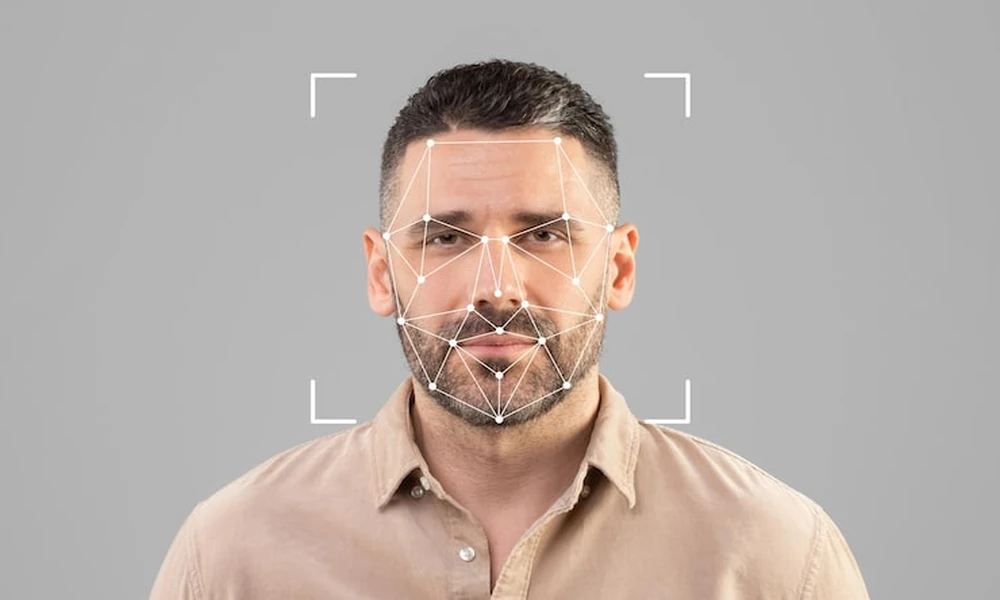
I have helped many readers build practical research habits that work under real-world constraints. The tips below reflect that experience. I focus on clear steps, low-cost moves, and verification. I also point you toward tools that add unique value. If you want a face-first angle to your investigation, I suggest starting with a focused people search platform such as Surfface. They analyze a face and connect it with public profiles, reverse image matches, and selected U.S. records, which can reveal leads you might miss with text-only searches.
Here is how to think about your search, what to do first, which sources to trust, and how to avoid common mistakes.
Why Public Information Works
Public sources create a trail. Even small clues can anchor your search if you handle them with care. A nickname, an old username, a graduation year, or a photo from an event can lead to a name, a location, or a profile. The goal is not to find everything at once. Your job is to turn one accurate detail into the next accurate detail, then confirm it.
Set Your Goal and Scope
Define what you want to learn and why. This shapes your plan and reduces noise.
- Reconnect with a classmate
- Verify a dating profile
- Identify a contact from a conference
- Check whether a photo appears reused or suspicious
Write down the smallest set of facts you must confirm. Then set boundaries for time and privacy. Good research respects both.
Quick Wins You Should Try First
Start with actions that cost nothing and clarify your next move.
- Search the exact name in quotes with a city or employer
- Check common username patterns across platforms
- Look for unique phrases from bios or posts in quotes
- Try a reverse image search for any public pictures
- Skim recent news mentions for context and timelines
These basics often return enough context to refine your search terms and filter out unrelated people.
Smart Name-Based Research
Small changes to your query can change your results. I suggest you:
- Try maiden names, middle initials, and common nicknames
- Add a state, past city, or school to distinguish matches
- Combine a name with an employer or industry keyword
- Search for the same person on multiple platforms to cross-reference details
Keep notes on which spelling or variant produced useful results. This helps you avoid circles later.
Get More From Photos With Surfface
If you have a clear photo but not much else, a face-first strategy can save time. This is where Surfface stands out.
- They accept up to five photos, which helps when you have different angles, lighting, or ages
- They search public profiles, social sources, reverse image matches, open web pages, and selected U.S. public records
- Their focus on people rather than general scenes can surface matches that a generic image search misses
- Adjustable similarity and other controls let you tune strictness and reduce false positives
- They position results as investigative leads, which is the right mindset for responsible research
Choose them if your strongest clue is a face or if you want to confirm whether a photo appears reused across multiple identities. This can be valuable for dating safety, marketplace interactions, or reconnecting with someone from an event when you only remember a face.
Public Records That Often Help
Many records are searchable and can connect dots. Your access may vary by state and source, but these are worth checking:
- Court dockets and filings for civil and criminal cases
- Property records and assessor databases
- Professional and occupational license lookups
- Business registrations and corporate filings
- Voter registration where allowed by law
- Local newspapers and community archives
Treat anything sensitive with care. Record age, jurisdiction, and case context matter.
Contact Clues That You Can Trace
If you have even one of the following, you can often pivot fast:
- Email address: Search the exact email in quotes. Look for public mentions, linked profiles, or past bios.
- Phone number: Search the full number with formatting variations. Scan for listings, ads, or public posts.
- Username: Try exact matches across major platforms. Many people reuse handles for years.
When you find a possible match, compare timeframes, photos, bios, and mutual connections. You are looking for consistent patterns, not a single perfect hit.
Advanced Open Web Techniques
A few power moves improve signal quality:
- Use quotes for exact phrases from bios, captions, or posts
- Add minus terms to remove unrelated results
- Search by filetype when chasing documents or resumes
- Look up cached pages or archived snapshots for deleted content
- Scan image filenames and alt text for clues about names and places
These tactics are simple to learn and pay off quickly.
Verify Before You Conclude
Do not lock in on one data point. I recommend a quick three-step verify loop:
1. Cross-check the same detail on at least two independent sources.
2. Confirm the timing matches current reality. Old bios cause mistakes.
3. Save URLs, dates, and screenshots. If you need to revisit a lead, your notes will save time.
A careful verify habit protects both your effort and the person you are researching.
Legal and Ethical Guardrails
Stay within the rules. Use public information responsibly and with respect. Avoid harassment or any harmful use. Do not use non-official tools to make decisions that require a formal background check. For jobs, housing, credit, or insurance, use compliant processes. If a result looks serious, confirm it through official channels before acting.
A Simple Step-by-Step Workflow
Use this as your checklist:
1. Define your goal and time limit.
2. Gather every clue you already have, including photos, usernames, and locations.
3. Run precise name and username searches with location or employer filters.
4. If you have a photo, try a face-first search through Surfface to surface leads across public profiles and records.
5. Pivot on any new identifiers you uncover. Prioritize the most unique ones first.
6. Check public records relevant to the person’s likely location and profession.
7. Verify key details using multiple sources.
8. Document your findings with timestamps and links.
9. Stop once your goal is met or your time limit is reached.
Final Thought
You do not need special access to make progress. You need a clear plan, careful verification, and the right tool at the right moment. If a face is your strongest clue or you need to confirm whether an image is reused, Surfface adds a meaningful edge. Combine that with steady note-taking and targeted open-web work, and you will move from guesses to grounded results.