

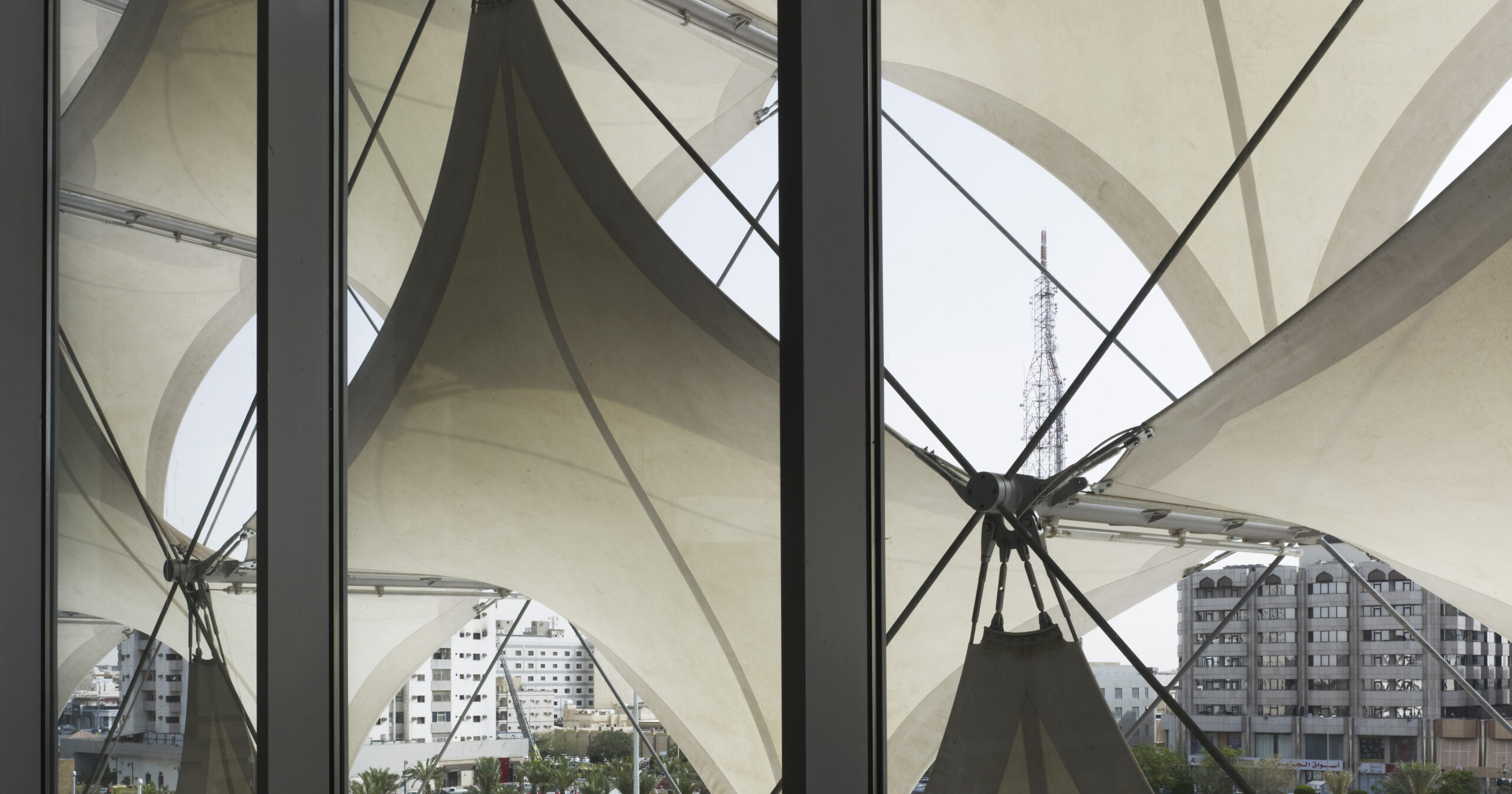
Tensile fabric structures represent a paradigm shift in architectural design, driven by technological innovation and advanced engineering capabilities. Tension fabric structures, these architectural forms leverage cutting-edge materials and digital design tools to achieve unprecedented levels of creativity and functionality.
At the forefront of technological innovation in tensile fabric structures is the use of parametric design software and computational modeling. Architects can now simulate complex structural behaviors and optimize form using precise digital tools. This capability enables the creation of intricate geometries and efficient structural configurations that maximize material performance and minimize weight.
Material innovation plays a crucial role in the development of tension fabric structures. High-performance fabrics such as ETFE (ethylene tetrafluoroethylene) and PTFE-coated fiberglass offer durability, weather resistance, and translucency, expanding design possibilities. These materials can be tailored to specific project requirements, whether it’s enhancing natural light transmission or achieving specific aesthetic effects.
Furthermore, advancements in fabrication techniques have streamlined the production and installation of tensile fabric structures. Automated cutting and welding processes ensure accuracy and consistency in fabric panel manufacturing, reducing production time and costs. Prefabrication of structural components off-site also minimizes on-site disruption and accelerates project timelines.
Functionally, technological innovation in tensile fabric structures enhances their performance and usability. These structures can span large distances with minimal structural support, creating expansive, column-free spaces ideal for public venues, sports arenas, and cultural centers. Additionally, integrated systems for climate control and lighting further enhance user comfort and operational efficiency.
In summary, technological innovation is driving the evolution of tension fabric structures, pushing the boundaries of what is possible in modern architecture. By harnessing advanced design tools, innovative materials, and efficient fabrication techniques, architects can realize visionary designs that combine aesthetic appeal with structural integrity and functional excellence.