

IT asset disposal Singapore services have become an essential component of corporate technology governance as organisations face increasing regulatory scrutiny over data protection and growing expectations around environmental responsibility. Retiring IT equipment securely and sustainably is no longer a back-office function. It is a visible indicator of how seriously an organisation takes its obligations to its stakeholders, its regulators, and the environment.
Singapore’s Regulatory Environment for IT Disposal
The regulatory framework governing IT asset disposal in Singapore spans two primary domains. Data protection obligations under the Personal Data Protection Act require organisations to make reasonable security arrangements for personal data throughout its lifecycle, including at the point of disposal. The obligation does not end when the equipment is switched off. It extends to the moment that storage media containing personal data is confirmed to be irrecoverably sanitised or destroyed.
Environmental obligations under Singapore’s e-waste regulatory framework require producers and importers of specified electrical and electronic equipment to ensure that end-of-life products are collected and processed by licensed recyclers. For organisations outside the scope of the Extended Producer Responsibility scheme as producers, the practical requirement is to engage IT asset disposal Singapore providers who are themselves licensed by the National Environment Agency to handle e-waste.
The Full Lifecycle of a Secure Disposal Engagement
A comprehensive IT asset disposition service in Singapore manages every stage from equipment collection to final disposition:
1. Pre-disposal planning: Agreement on scope, logistics, data sanitisation methods, and documentation requirements before any equipment is collected. 2. Secure collection: Equipment is collected from client premises under a documented chain-of-custody process, with each item inventoried and assigned a unique reference. 3. Data sanitisation or destruction: Storage media is processed using certified overwriting software or physical destruction methods, with sanitisation certificates issued for each device. 4. Asset grading and remarketing: Functional equipment is assessed for residual value. Reusable assets are refurbished and remarketed, with proceeds shared transparently with the client. 5. Recycling and responsible disposal: Non-reusable equipment and destruction residuals are processed through NEA-licensed recycling channels, with recycling certificates provided to the client. 6. Reporting: A comprehensive disposal report is provided, including the full asset inventory, sanitisation certificates, remarketing details, and recycling documentation.
Why Sustainable Recycling Matters
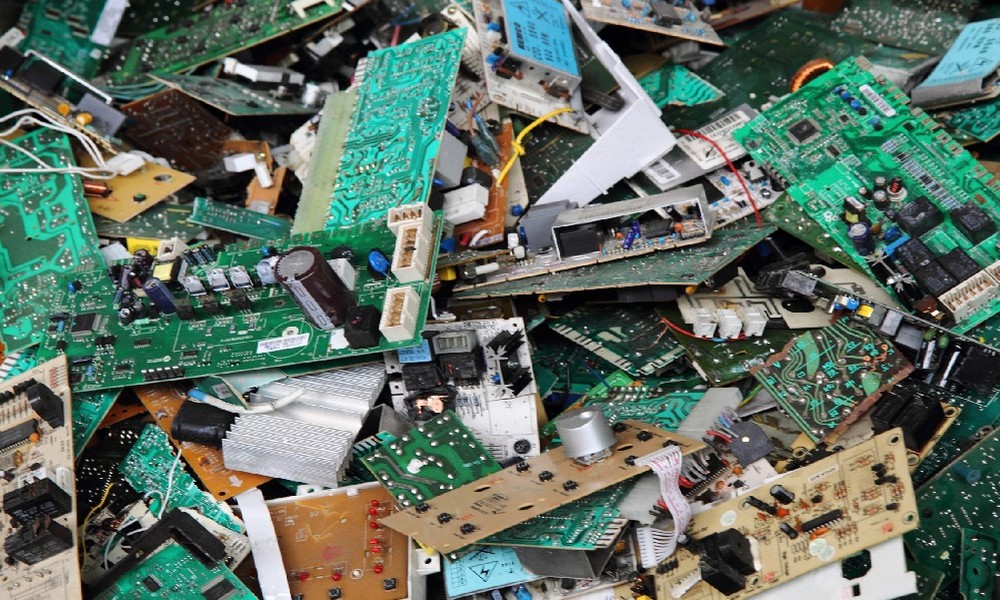
Electronic waste contains a complex mix of materials, including valuable metals such as gold, silver, copper, and palladium, alongside hazardous substances, including lead, mercury, cadmium, and brominated flame retardants. When e-waste is improperly disposed of, these hazardous materials can leach into soil and water, creating environmental and public health risks. When it is properly recycled, the valuable materials are recovered and reintroduced into the manufacturing supply chain, reducing the need for virgin resource extraction.
Former Minister for Sustainability and the Environment Grace Fu has stated that “building a sustainable Singapore requires every sector to take responsibility for the waste its activities generate.” For organisations retiring IT equipment, engaging a certified sustainable IT recycling service is the most direct way to discharge that responsibility.
Measuring the Value of Professional ITAD
The value delivered by a professional IT asset disposal Singapore provider is measurable across several dimensions. The direct financial value includes any remarketing proceeds from resalable equipment. The risk mitigation value encompasses the avoidance of data breach costs, regulatory penalties, and reputational damage associated with inadequate disposal. The compliance value is the documentation and audit trail that demonstrates adherence to data protection and e-waste regulatory requirements. And the sustainability value is the diversion of hazardous materials from improper disposal channels.
Taken together, these value dimensions make a compelling case for investing in professional disposal services rather than managing the retirement of IT equipment through less rigorous ad-hoc processes. IT asset disposal in Singapore, done properly, is not a cost centre. It is a risk management and value recovery function that pays for itself through the outcomes it delivers.