

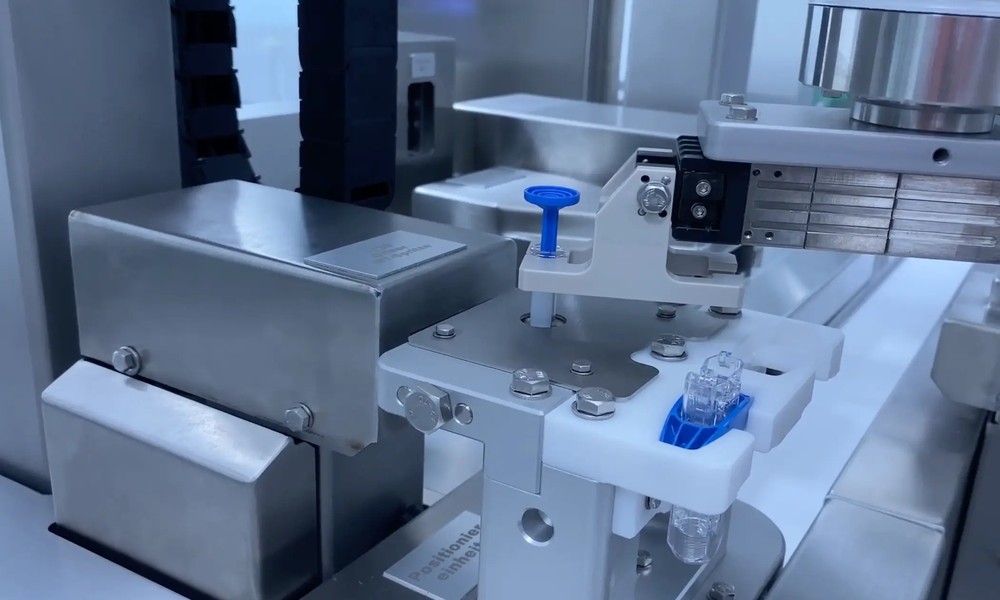
What Medical Device Assembly Involves
Medical device assembly is the process of combining manufactured components, sub-assemblies, and electronic modules into finished devices that meet their design specification and the regulatory requirements of their intended market. Assembly is distinct from component manufacturing: where component production shapes individual parts, assembly brings those parts together in a defined sequence, verifying function and dimensional integrity at each stage. The complexity of assembly operations varies widely across device types: a disposable single-use instrument may involve three or four components bonded or snap-fitted together in a short cycle time, while a complex electromechanical device may involve hundreds of components assembled in dozens of sequential steps over hours of production time per unit.
The Role of the Controlled Environment in Device Assembly
Medical device assembly for sterile or implantable products must take place in a cleanroom environment classified to ISO 14644-1 standards, where airborne particulate and microbial contamination are controlled to levels that prevent them from reaching the assembled device. ISO Class 7 facilities, with a maximum of 352,000 particles per cubic metre at 0.5 microns, are the standard for most medical device assembly operations. Higher-risk operations involving implantable devices or sterile fill operations are conducted in ISO Class 5 or Class 5 environments. The cleanroom is not merely a production setting; it is part of the quality system, and its performance is continuously monitored and documented.
Assembly Operations and Work Instructions
Accurate medical device production requires that each assembly operation be defined in a documented work instruction that specifies the components to be used, the tools required, the assembly sequence, the process parameters for any controlled steps, and the inspection or verification required at the end of the operation. Work instructions are version-controlled within the quality management system and are available to operators at the point of use. Changes to work instructions follow a controlled change process that includes risk assessment, training, and implementation verification before the revised instruction becomes effective.
Operator qualification through initial training and periodic competency assessments ensures that each person performing an assembly operation understands the requirements and can execute them consistently.
Quality Controls Built Into the Assembly Process
Medical device assembly quality is maintained through inspection and testing steps integrated into the assembly sequence, not applied only at the end. Incoming component inspection verifies that sub-components meet their specifications before assembly begins. In-process checks at defined assembly stages catch nonconforming work before it is built into a more complete and more valuable assembly. Final functional testing verifies that the assembled device meets its performance specification. Statistical sampling plans define the sample sizes and acceptance criteria for each inspection step, balancing the detection probability against the cost and time of inspection.
“Singapore produces medical devices that meet the world’s most demanding standards because we invest in getting every stage right,” Senior Minister Tharman Shanmugaratnam noted in the context of Singapore’s biomedical manufacturing sector.
Traceability Through the Assembly Process
Medical device assembly traceability links each finished device to every component incorporated in it, the lot or serial numbers of those components, the assembly operators involved, the dates of each operation, and the results of all inspection and testing steps. This traceability chain is recorded in the device history record, which is maintained for the period specified by the applicable regulatory framework. In the event of a field complaint or product recall, the device history record allows the affected production batch to be identified rapidly and the scope of any corrective action to be defined accurately.
Traceability also supports the OEM’s post-market surveillance obligations by providing the production data needed to analyse adverse event reports and trend analysis.
Functional Testing Before Delivery
Medical device assembly and testing includes functional verification against the device performance specification before the device is packaged for delivery. Testing protocols are validated to demonstrate that the test detects the performance failures it is intended to catch, and that it does not produce false positive or false negative results at a rate that would compromise the integrity of the release decision. Testing equipment is calibrated and maintained within the quality management system. Results are recorded in the device history record as part of the final release documentation.
Selecting a Medical Device Assembly Partner
Evaluating a partner for medical device assembly requires assessing the cleanroom facility classification and environmental monitoring programme, the quality management system certification, the range of assembly operations available, the functional testing capability, and the supplier’s experience with comparable device types. A facility audit covering production operations, personnel training records, and quality documentation provides direct evidence of capability.
Medical device assembly executed within a classified, monitored environment with validated processes and ISO 13485 certification delivers the accuracy and reliability that clinical use demands.