

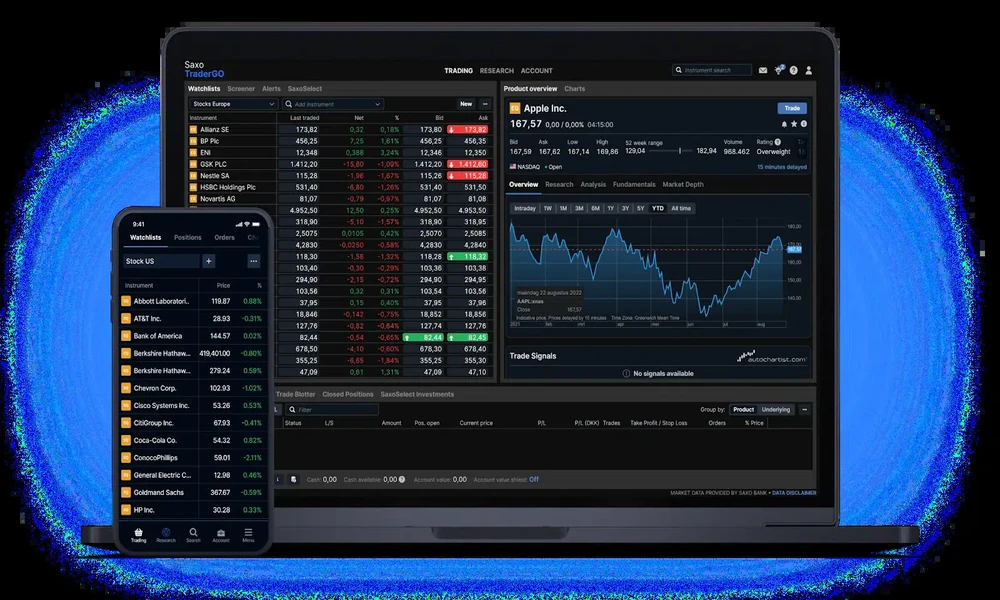
The online trading industry continues to grow, creating new opportunities for entrepreneurs and financial firms looking to enter the brokerage space. One of the most common ways to launch quickly is through a forex white label trading platform.
But what exactly does this model involve, and how does it work in practice?
Understanding White Label Trading Platforms
A white label trading platform is a pre-built trading environment developed and maintained by a technology provider. Instead of creating software from the ground up, brokers license the platform and operate it under their own brand.
The broker manages client acquisition, marketing, and business operations, while the provider handles the underlying technology infrastructure.
This approach significantly reduces the time and resources required to launch a brokerage.
Key Components Included
Most white-label platforms include several essential elements required to run brokerage operations efficiently.
Trading Interface
The trading terminal allows clients to access markets, place orders, monitor positions, and manage their accounts.
Back-Office Systems
Administrative tools help brokers manage users, monitor activity, generate reports, and oversee daily operations.
Liquidity Connectivity
Many solutions integrate directly with liquidity providers, allowing brokers to offer competitive pricing and reliable execution.
Risk Management Tools
Built-in risk controls help firms monitor exposure, manage positions, and maintain operational stability.
How the Process Works
Step 1: Select a Provider
The broker chooses a trading platform provider that offers the required features, infrastructure, and support services.
Step 2: Customize Branding
The platform is configured with the broker’s branding elements, including logos, colors, and client-facing interfaces.
Step 3: Configure Operations
Liquidity connections, risk settings, payment systems, and compliance processes are established before launch.
Step 4: Go Live
Once testing is complete, the brokerage begins onboarding clients and facilitating trading activities.
Why Brokers Prefer White Label Solutions
The primary benefit is efficiency.
Rather than spending resources on software development, firms can focus on:
- customer acquisition
- business development
- partnerships
- operational growth
This allows brokers to compete more effectively while reducing technical complexity.
Choosing the Right Platform
Not all solutions are equal. Providers such as Hybrid Solutions offer integrated brokerage ecosystems designed to support both launch and long-term growth, like:
- reliability
- scalability
- support quality
- reporting capabilities
- integration flexibility
The right technology foundation can significantly influence future growth.
Final Thoughts
A white label trading platform offers a practical route for firms looking to launch brokerage services without building infrastructure from scratch. By combining established technology with customized branding, brokers can enter the market faster and operate more efficiently.
For businesses considering this model, this guide provides additional information on available white-label brokerage solutions and their capabilities: