

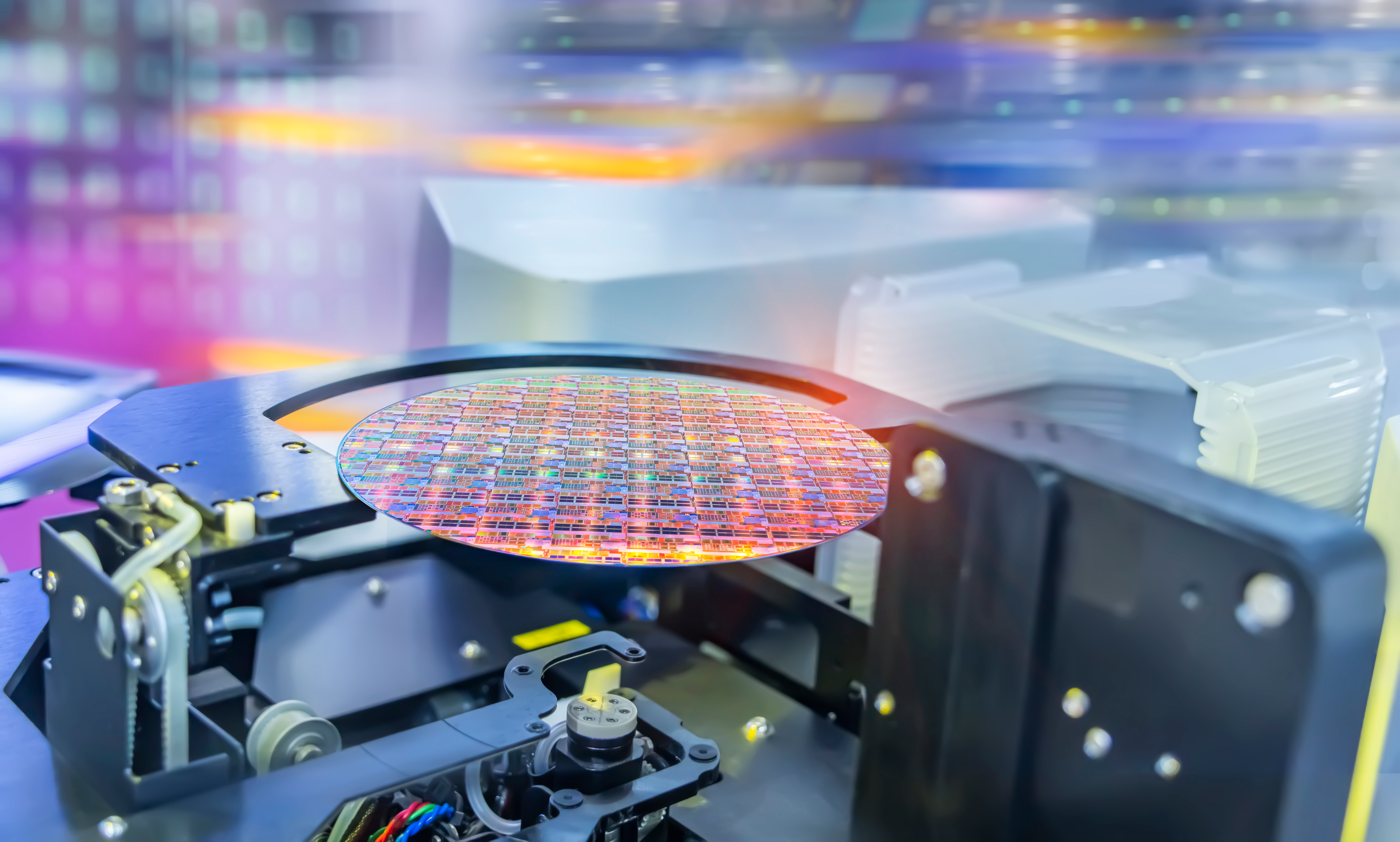
As demand for semiconductors soars, so too does concern about the materials that make them possible. Rare earths and other critical inputs are essential to chip fabrication, yet their extraction often involves geopolitical risks, environmental damage, and supply chain vulnerabilities. Finding substitutes that balance performance with sustainability is now at the forefront of industry research. Erik Hosler, a leader in semiconductor materials innovation, highlights that breakthroughs in new compounds are reshaping the possibilities for chip manufacturing, pointing to alternatives that can ease dependence on rare earth elements. His perspective frames the conversation around where the industry is heading.
From graphene’s extraordinary conductivity to the wide bandgap properties of Gallium Nitride (GaN) and Silicon Carbide (SiC), research into next-generation materials is accelerating. These alternatives promise not only to reduce reliance on rare earths but also to deliver chips that are more energy-efficient, durable, and scalable. Understanding their potential and the challenges involved offers a glimpse into the future of semiconductor manufacturing.
Why Rare Earth Reliance Is Unsustainable
Rare earth elements such as yttrium, lanthanum, and neodymium play crucial roles in chipmaking, from doping agents to magnets in lithography tools. Yet their supply is highly concentrated, with China dominating global production. It creates geopolitical vulnerabilities that threaten the stability of semiconductor supply chains.
Beyond geopolitics, rare earth mining is energy-intensive and environmentally damaging. Extracting these elements often requires toxic chemicals and generates waste that contaminates local ecosystems. As sustainability becomes a defining metric in the semiconductor industry, reducing dependence on rare earths is not just about security, but responsibility.
Graphene: The Conductivity Powerhouse
Graphene, a single layer of carbon atoms arranged in a hexagonal lattice, is often touted as a wonder material. Its unmatched electrical conductivity makes it an ideal candidate for transistors, interconnects, and thermal management solutions.
In theory, graphene could replace rare materials used in specific conductive applications, reducing both cost and environmental burden. However, challenges remain in producing high-quality, defect-free graphene at scale. While progress in chemical vapor deposition techniques has been promising, more research is needed before graphene can move from lab experiments to mass production.
Silicon Carbide: Power and Efficiency
Silicon Carbide (SiC) is another material gaining traction, particularly in power electronics. Its wide bandgap allows it to operate at higher voltages, frequencies, and temperatures than traditional silicon, making it ideal for electric vehicles, renewable energy systems, and high-performance chips. By reducing the need for rare earth-based components in power management, SiC contributes to sustainability and efficiency. SiC’s ability to minimize energy loss translates into lower heat generation and minor cooling requirements, which is an indirect sustainability gain.
The challenge lies in scaling production. SiC wafers are more complex and more expensive to manufacture than silicon, though costs are falling as demand rises. As scaling improves, SiC is poised to play a vital role in next-generation chip applications.
Gallium Nitride: Efficiency at Scale
Gallium nitride (GaN) has emerged as a powerful alternative for high-efficiency semiconductors. With its wide bandgap and superior electron mobility, GaN enables faster switching speeds and reduced energy loss compared to silicon. It has already found applications in chargers, power devices, and RF components.
GaN’s sustainability value lies in its efficiency. By enabling devices that consume less power, GaN indirectly reduces energy demand across sectors from consumer electronics to telecommunications. When deployed at scale, GaN could significantly cut the carbon footprint of the digital ecosystem. Like SiC, GaN’s challenge is scale. Producing large, defect-free GaN wafers remains complex, but advances in fabrication techniques, particularly when paired with AI-driven process optimization, are closing the gap.
Scaling New Materials
The shift away from rare earth reliance depends not only on discovering promising materials but also on developing the tools to scale them efficiently. Erik Hosler emphasizes, “Working with new materials like GaN and SiC is unlocking new potential in semiconductor fabrication. Accelerator technologies provide the tools needed to develop these materials at scale.” His insight highlights the critical role of manufacturing innovation in making substitution viable. Without scalable production methods, even the most promising materials cannot replace rare earths in practice.
This perspective reframes the challenge as not just about the chemistry of new compounds but about building the infrastructure to produce them reliably and affordably. Research must therefore advance in tandem with equipment innovation to deliver meaningful change.
AI’s Role in Accelerating Material Discovery
Artificial Intelligence (AI) is speeding up the search for rare material substitutes. By analyzing vast datasets of material properties, AI models can predict which compounds are most likely to deliver desired characteristics, reducing the time and cost of discovery.
AI-driven simulations also model how materials will behave under different conditions, helping researchers identify defects and optimize performance before physical trials. It reduces reliance on trial-and-error experimentation, minimizes waste, and accelerates innovation. Combined with digital twins, AI could make the scaling of materials like GaN, SiC, and graphene more predictable and efficient, bridging the gap between lab research and fab deployment.
Global Collaboration and Policy Influence
The transition to alternative materials is not just a technical challenge but also a geopolitical and regulatory one. Governments are increasingly supporting research into material substitution as part of broader efforts to secure supply chains and reduce dependence on politically sensitive rare earth sources.
International collaboration between manufacturers, universities, and research institutes is also critical. Shared databases, joint R&D initiatives, and open-source modeling tools accelerate progress by pooling expertise and reducing duplication. Policy incentives, such as subsidies for exhaustive bandgap semiconductor research, can help bring promising materials to commercial scale more quickly, ensuring that innovation keeps pace with demand.
Substitution as a Path to Resilience
The search for rare material substitutes in chip manufacturing reflects both necessity and opportunity. Graphene, silicon carbide, and gallium nitride offer pathways to reduce reliance on rare earths while enhancing performance and efficiency. Each material presents challenges of scale and cost, but innovation in process control, AI-driven discovery, and accelerator technologies is bringing them closer to viability.
Sustainability and resilience are no longer secondary concerns. They are central to the future of semiconductors. As companies and researchers push forward, rare material substitution will not only ease supply chain risks but also help align chipmaking with global environmental goals. The industry’s next great leap may not be measured only in nanometers but also in the materials that make those nanometers possible.