

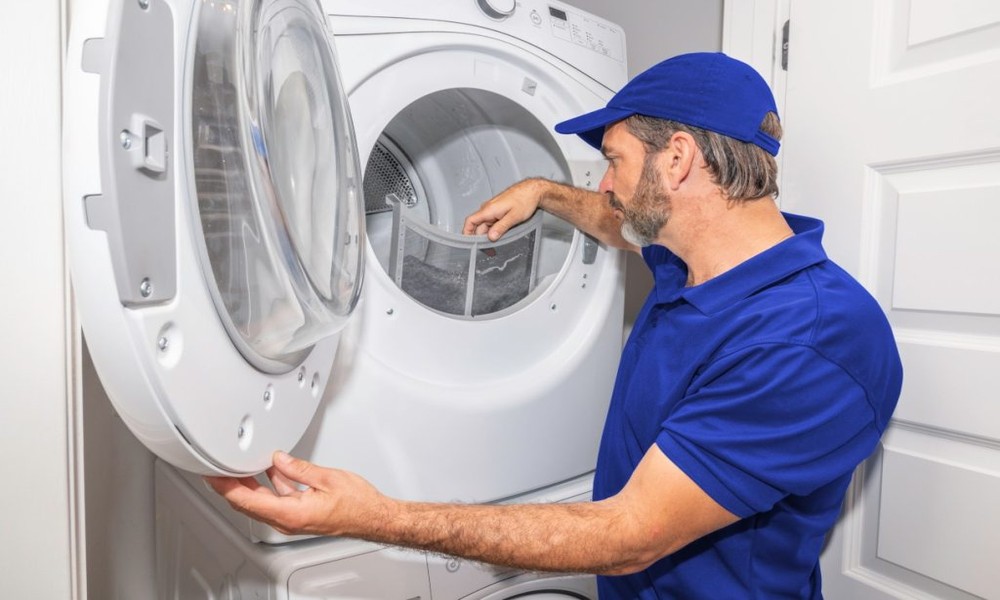
When a washing machine breaks down, finding reliable washing machines repair services quickly becomes essential for restoring household order. Few appliances are as central to daily life as the washing machine, and few breakdowns cause as much immediate disruption. Understanding the most common faults – and the solutions that address them – helps homeowners respond with confidence rather than panic.
Why Washing Machines Fail
Modern washing machines are engineered to handle thousands of cycles over their lifetime, yet they operate under considerable mechanical stress. Every wash involves water pressure, electrical current, high-speed spinning, detergent chemicals, and temperature fluctuations. In Singapore, the tropical climate adds humidity and hard water minerals to the mix, accelerating wear on seals, hoses, and internal components.
Most faults develop gradually. A small leak becomes a flood. A slight vibration grows into a violent shake. A slow drain becomes a complete blockage. Recognising these early signs and arranging washer servicing before the problem escalates is the most cost-effective approach to appliance care.
The Most Common Washing Machine Faults
The Machine Will Not Start.
Check the power supply, the door latch, and the control panel. A faulty door interlock is one of the most frequent causes – the machine will not operate unless it detects that the door is securely closed. If the interlock mechanism has failed, a technician can replace it within minutes.
Water Does Not Fill The Drum.
This usually points to a blocked or faulty inlet valve, a kinked fill hose, or low water pressure. In Singapore’s high-rise apartments, water pressure variations are common and occasionally prevent machines from filling correctly. Cleaning the inlet filter – a small mesh screen inside the valve connection – resolves the issue in many cases.
The Machine Leaks Water.
Leaks originate from several possible sources:
- A worn or damaged door seal (the rubber gasket around the drum opening).
- A cracked or loose drain hose.
- An overfilled detergent dispenser causing foam overflow.
- A faulty water inlet valve that fails to shut off completely.
Identifying the leak’s exact location is the first step toward an effective laundry machine fix.
Excessive Vibration Or Movement During The Spin Cycle.
A washing machine that shakes violently or walks across the floor is typically out of balance. Uneven loads cause temporary imbalance, but persistent vibration suggests worn shock absorbers, damaged drum bearings, or incorrectly adjusted levelling feet. Ignoring this fault risks damage to the drum, the cabinet, and surrounding flooring.
The Drum Does Not Spin.
A broken drive belt, a failed motor, or a faulty motor capacitor can all prevent the drum from turning. In some cases, a worn carbon brush – a small component that transmits electrical current to the motor – is the culprit. Carbon brush replacement is a common and inexpensive washing appliance repair.
Water Does Not Drain.
A blocked pump filter, a clogged drain hose, or a failed drain pump prevents water from leaving the drum. Most front-loading machines have an accessible pump filter at the lower front panel. Cleaning this filter regularly prevents the majority of drainage faults.
Foul Odours From The Machine.
Mould and bacteria thrive in the warm, damp environment inside a washing machine. Residual detergent, fabric softener, and trapped moisture create ideal growing conditions. Running a hot wash cycle with a machine cleaner or white vinegar every month eliminates odours effectively.
Practical Solutions That Work
- Clean the pump filter monthly. Remove debris, coins, and lint that accumulate and restrict water flow.
- Wipe the door seal after every wash. Removing standing moisture prevents mould growth.
- Use the correct amount of detergent. Excess detergent leaves residue that damages seals and clogs pipes.
- Level the machine properly. Adjust the feet until the machine sits firmly without rocking.
- Inspect hoses annually. Replace any hose that shows cracking, bulging, or discolouration.
Mr Ong Boon Kiat, a senior technician who has repaired washing machines across Singapore for over twelve years, explains his philosophy: “A washing machine is like a workhorse – it will keep going as long as you look after it. The people who clean the filter, check the hoses, and avoid overloading almost never need me for anything serious. The ones who ignore the basics keep me very busy.”
When Professional Help Is Needed
Some faults are easily resolved at home – clearing a blocked filter, levelling the feet, or cleaning the door seal. Others demand professional expertise:
- Drum bearing replacement requires disassembling the machine and pressing out the old bearings.
- Control board repair involves diagnosing electronic circuits and soldering or replacing components.
- Motor replacement requires disconnecting electrical connections and fitting a compatible unit.
- Water inlet valve replacement involves working with plumbing connections under pressure.
A qualified washing machines repair technician arrives equipped with diagnostic tools, common replacement parts, and the expertise to complete these jobs safely and efficiently.
Choosing the Right Repair Service
When selecting a washer servicing provider in Singapore, consider these factors:
- Experience with your machine’s brand and model.
- Transparent quotation before work begins.
- Warranty on parts and labour.
- Same-day or next-day availability.
- Positive customer reviews and verifiable track record.
Keeping Your Machine Running Longer
A well-maintained washing machine serves a Singapore household for eight to fifteen years. Consistent care – regular cleaning, correct loading, and timely attention to small faults – extends that lifespan considerably. When problems do arise, professional washing machines repair services deliver the skilled solutions that restore your machine and your routine.